What An Ex-Chef Knows About Food Copywriting (That AI Doesn't)
Good copy has a purpose – to make us think, feel or do something. With food copywriting, that second one is essential. Food is sensory, it’s the stuff of passion; it stirs emotions and connects us with others, with our younger selves, with history. And you want to get ChatGPT to write yours?
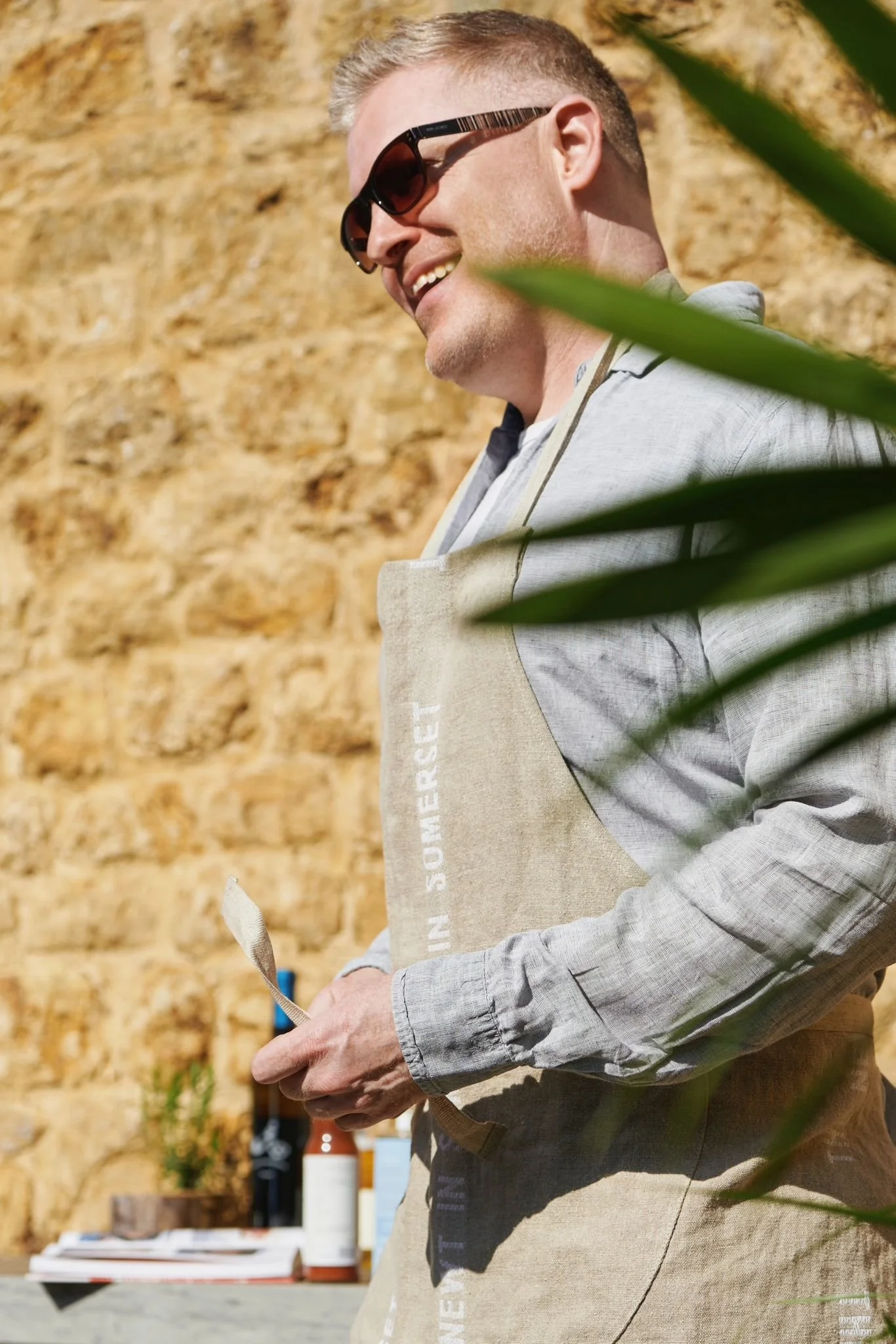
Nothing artificial added – getting ready to barbecue at The Newt in Somerset.
So much AI-generated food copy today is generic, soulless rubbish: a tombola of tired adjectives. 'Artisan', 'premium', 'carefully crafted'... words emptied of meaning through overuse. As more brands take the easy route and let AI be their voice, the more insipid the whole soup becomes.
Sure, ChatGPT can generate copy that reads well, that sounds fun and energetic, but it can't taste, smell, or experience food. It's never bitten into a crisp meringue to discover a chewy, nutty centre. It's never watched ice cream melt over sticky toffee pudding in giddy anticipation. Never eaten a dish that transported it back 20 years to a core childhood memory.
But I have. I've been exploring tastes, flavours and textures for 45 years. I'm an ex-chef who trained in professional kitchens before becoming a copywriter. That background matters. I’m a foodie who finds the words and phrases that communicate your brand's passion.
EAT MY WORDS
Why understanding technique changes everything
You learn a lot when you train as a chef (well... obviously). You learn why it takes time and the right temperature to caramelise onions properly. How fat carries flavour. The difference between properly tempered chocolate and mass-produced stuff. Why a squeeze of lemon elevates a rich sauce. How salt enhances sweetness.
AI's never marvelled at a perfectly emulsified hollandaise or felt the thrill of watching bread spring in the oven (then burnt its arm rushing to get it out). I have, and it all informs how I write.
When ChatGPT writes about your new cheddar, it offers something like: "Our artisan cheddar is carefully aged to perfection." But I'd approach it differently, drawing on my sensory experience of tasting some of the best Somerset cheddars, plus my knowledge of watching one of the world's finest being painstakingly made:
"Matured for up to 18 months in our naturally cooled underground cellar, this cheese develops its layered, brothy flavour over time. As the milk proteins break down, they create subtle layers of complexity, with crunchy tyrosine clusters complementing the savoury depth."
Westcombe Dairy’s Duckett’s Aged Caerphilly web page, which I wrote and designed.
Which isn't to say all copy needs to be long and technical – just that the first example is what we see on all matured cheese labels now. Same-old, same-old. That's not what you want your customers to feel, is it? Let me express what separates your brand from the pack, starting with the product.
IT'S A QUESTION OF TASTE
The best sensory language is drawn from sensory experience
How does AI work? By scraping available online resources for existing examples, then mushing it all into something new. By recycling tried-and-tested copy, it saddles your brand with generic adjectives and unoriginal descriptions.
I don't write like that. I draw on knowledge, passion, past sensory enjoyment, and my understanding of how you want your brand's character to develop. With me, it's all about experience, informed by my own personal food and drink journey.
It's knowing the difference between bittersweet and milk chocolate. The difference in flavour of biscuits made with butter over palm fat. Understanding why fig jam pairs with strong goat's cheese, why pears and walnuts are natural partners, and how 'nutty' means different things in the context of aged Comté, brown butter, or roasted pecans.
When ChatGPT writes about Argentinian Malbec, it gives you generic copy like: "This bold Malbec offers rich flavours of dark fruit and smooth tannins." But I'd draw the reader into the experience, give them a sense of that first sip's joy:
"This inky Mendoza Malbec is all about purity of fruit – jammy blackberries, sun-dried plums, a whiff of purple violet flower, all backed by graphite minerality and grippy tannins that make it a perfect match for barbecue-charred steak."
UNDERSTANDING WHAT MAKES PEOPLE BUY
Copy that sells requires understanding of how people choose
I've worked both sides of the food and drink business – making it and selling it. I've been the chef watching which dishes fly out of the kitchen and which ones die on the menu. I've been the waiter seeing how descriptions influence orders. And I've spent years writing copy for brands trying to convert browsers into buyers.
At M&S, I carried out a detailed research project examining wine label design and consumer psychology. I studied how UK wine shoppers actually make purchasing decisions – not how we think they should, but how they really do. The findings were fascinating and sometimes counterintuitive.
Good food copy isn't about the most beautiful writing or the cleverest metaphors. It's about understanding your audience and speaking their language. A Michelin-starred restaurant needs different copy than a street food van. Wine enthusiasts respond to different cues than casual drinkers picking up a bottle for dinner.
AI doesn't understand context. It generates what sounds 'right' based on patterns it's seen, but it can't adapt to your specific audience or market positioning. It doesn't know when to be technical and when to be emotional. When to educate and when to just make someone hungry.
I do – because I've been in your customers' shoes, thousands of times.
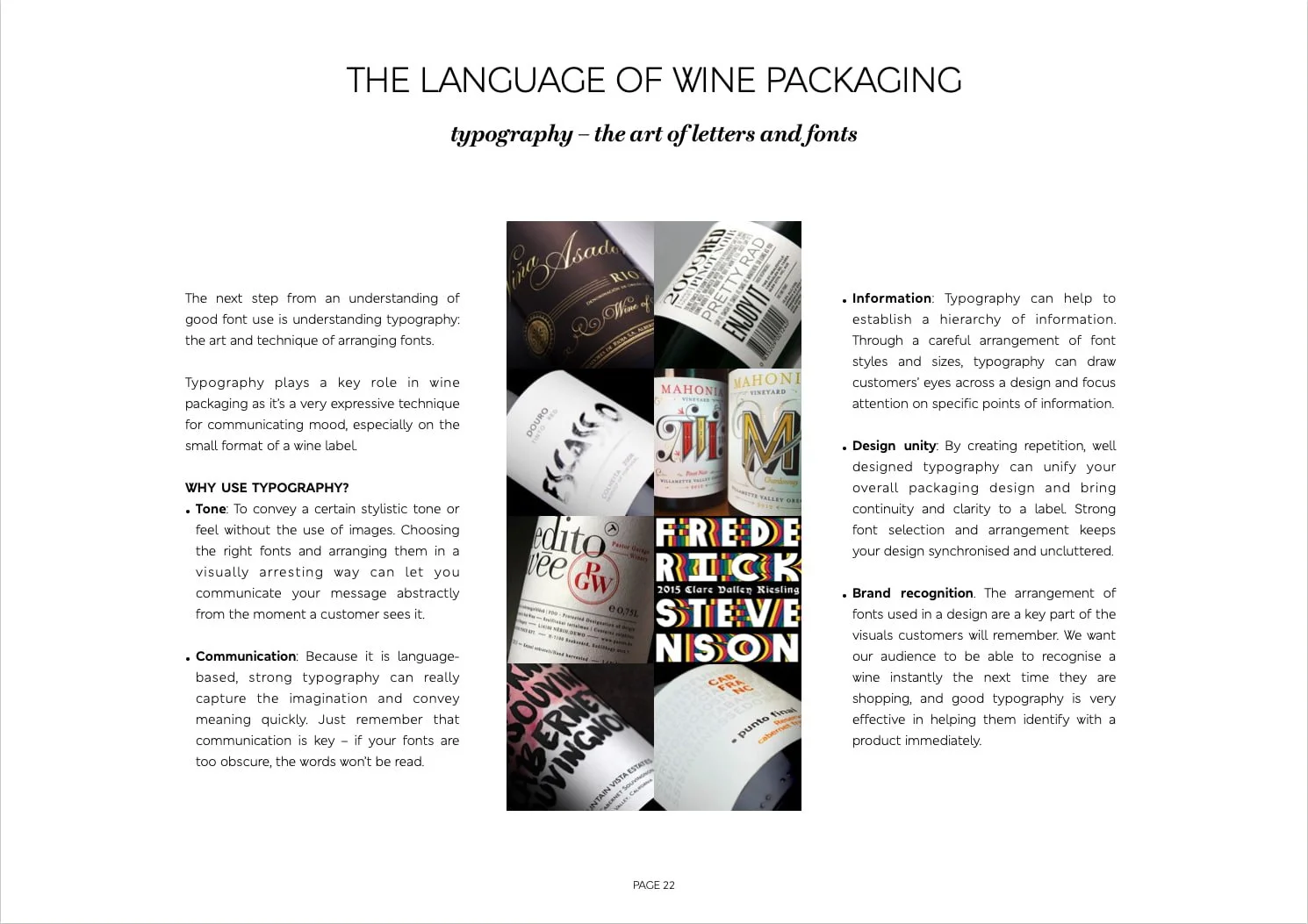
An excerpt from my M&S wine label research, about the art of typography.
I KNOW WHAT COMPLIANCE ACTUALLY MEANS
AI doesn't really understand food labelling laws
A quick but important point: food and drink copywriting operates within strict regulations.
Health claims require specific, approved wording. Allergen information has legal requirements. Alcohol marketing has many restrictions. Terms like 'natural', 'organic', and 'artisan' actually have precise definitions and shouldn't be used casually.
But AI will cheerfully generate copy that:
Makes false or unsubstantiated health claims
Uses banned terminology
Violates alcohol advertising codes
Creates legally problematic packaging
Why? Because it doesn't really care. It has no 'skin in the game', as they say. I've been writing regulated food copy for over 20 years. I know what you can and can't say. I know how to write compelling copy that works within the rules – copy that sells without getting you into trouble.
A brilliant label that gets rejected by trading standards is worthless. AI doesn't know the difference.
ONE FOR THE ROAD?
The future of food copywriting isn't AI – it's expertise
Look, I'm not anti-technology, AI certainly has its uses. It's a brilliant tool that can make our lives so much better. But when it comes to writing about food and drink – products that are fundamentally about sensory experience, craft, and human connection – algorithms fall short.
Your brand deserves better than generic, scraped-together content that sounds like everyone else's. Your customers deserve copy that actually understands what makes your product special.
I've spent 20+ years writing about food and drink for M&S, Sainsbury's, The Newt, Westcombe Dairy, and dozens of other food and drink brands. I trained as a chef. I've worked in professional kitchens and the wine trade. I understand food from the inside.
That's not something ChatGPT can replicate by scraping the internet.
So if you're tired of AI-generated mediocrity – copy that could be describing anyone's product – get in touch. I'll give you copy that understands your brand, because I've lived in your world.
Let's talk: williamthomas.uk
FREQUENTLY ASKED QUESTIONS
Q: Why does chef training matter for food copywriting?
A: Chef training gives you hands-on understanding of ingredients, techniques, and flavour development that you can't get from reading about food. When I write about caramelisation, emulsification, or fermentation, I'm drawing on actual experience – not Wikipedia. That knowledge creates more accurate, compelling, more credible copy.
Q: Can AI write good food copy?
A: Yes… AI can write grammatically correct, seemingly zietgeisty food copy, but it lacks sensory experience, technical understanding, and the ability to adapt to specific audiences or comply with food labelling regulations. It produces generic content by recycling existing descriptions rather than creating authentic copy from real knowledge, experience and passion.
Q: What's the difference between a food copywriter and a general copywriter?
A: A specialist food copywriter understands the technical aspects of food production, the sensory language needed to make products appealing, the regulations governing food marketing, and the nuances of different food categories. It's the difference between describing something you've read about and something you've actually tasted.